
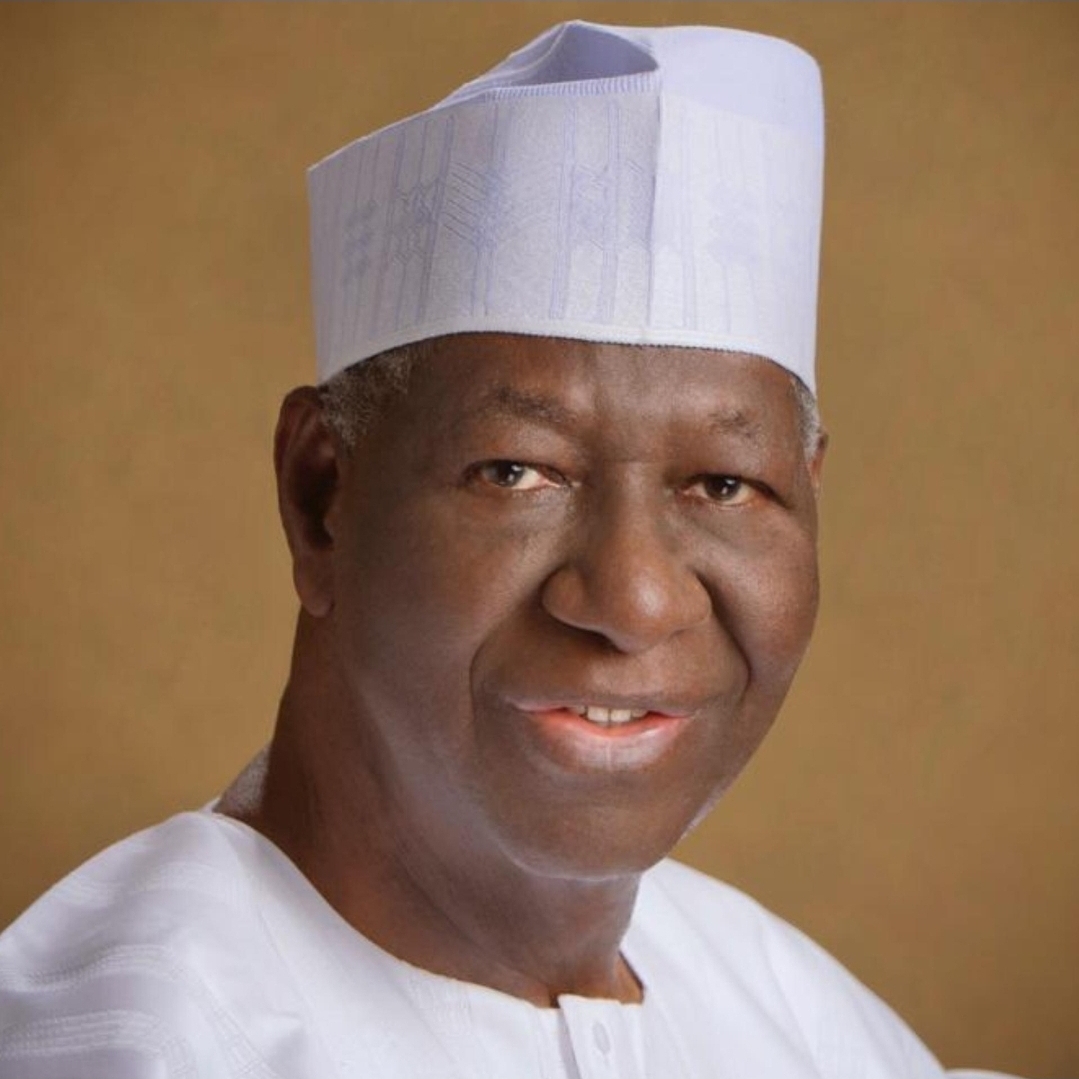
By Chris Osa Nehikhare
There are politicians.
There are power brokers.
And then there are men whose influence quietly shapes the direction of nations from behind the scenes.
Chief Anthony Akhakon Anenih belonged firmly to the last category.
To many Nigerians, he was known simply as “Mr. Fix It.”
But to those who truly understood politics, Chief Anenih represented something deeper. He represented organisation, influence, negotiation, loyalty, and the rare ability to hold political structures together in moments of uncertainty.
He was not merely a participant in Nigerian politics. For decades, he was one of its central architects.
Before politics fully embraced him, Anthony Anenih had already built a distinguished career within the Nigeria Police Force. Disciplined, strategic, and composed, he rose steadily through the ranks before voluntarily retiring as a Commissioner of Police.
That early background perhaps explains much about the man he later became in politics. He understood structure. He understood networks. And most importantly, he understood people.
In Nigeria’s political history, very few individuals wielded the kind of national influence Chief Anenih commanded. Whether within the SDP years, the emergence of the PDP, or the democratic transition that followed military rule, his presence remained unmistakable.
He became one of the defining political figures of the Fourth Republic. Not loud. But immensely influential.
Presidents sought his counsel.
Governors respected his authority.
Party structures relied on his experience.
He possessed an unusual gift for political management, the ability to negotiate tensions, build alliances, and stabilise difficult situations.
And in politics, that is power.
While many remember him primarily for political influence, Chief Anenih also left behind visible developmental footprints, especially in infrastructure.
As Minister of Works and Housing, he became associated with some of the most important road rehabilitation and highway projects of his era.
Among the most enduring was the construction of the Benin Bypass, a project that fundamentally changed traffic movement through Benin City by diverting heavy vehicular traffic traveling East-West away from the metropolis.
For generations of Edo people, the bypass became more than infrastructure. It became relief. It became economic breathing space for Benin City.
He also played a major role in the completion and advancement of the Benin-Warri Road dualization, an economically strategic corridor connecting Edo and Delta States.
Equally significant was his influence in the completion of the Benin-Asaba dual carriageway, one of the busiest and most important transport arteries in Southern Nigeria.
These were not small interventions. They were projects that connected people, commerce, and regions.
And at the national level, during his tenure, the Federal Government embarked on extensive highway rehabilitation efforts involving over 2,476 kilometres of roads and nearly 3,000 metres of bridges across Nigeria.
That scale of infrastructure commitment reflected both national ambition and administrative coordination.
Chief Anenih also maintained a deep connection to community development and regional advancement.
In Edo State, he strongly influenced the initiation of the Northern Esan Water Project, aimed at improving access to potable water for communities within the region.
He also facilitated educational advancement through support for the establishment of the National Institute of Construction Technology and a National Open University Study Centre in his hometown of Uromi.
These interventions reflected something important about him: He understood that influence means little if it does not improve lives.
“Mr. Fix It”
Nicknames in politics are rarely accidental.
Chief Anenih earned the title “Mr. Fix It” because of his reputation for resolving problems many believed impossible.
He was often the bridge between competing interests. The negotiator during crises and the strategist behind difficult political calculations.
To his admirers, he was dependable and loyal. To his critics, he was formidable and calculating.
But regardless of political opinion, one reality remained undeniable: Anthony Anenih mattered. And for decades, he remained relevant at the highest levels of Nigerian politics.
Coming from Uromi in Edo State, Chief Anenih projected Edo influence onto the national political stage with uncommon visibility.
At a time when regional representation mattered deeply in national affairs, he ensured Edo voices were not absent from major political conversations.
His political reach extended beyond geography. He became a national figure whose influence crossed ethnic and regional lines. And that is no small achievement in a country as politically complex as Nigeria.
Chief Anthony Anenih passed away on October 28, 2018.
But like many figures who dominate political history, he left behind more than memories.
He left behind lessons.
Lessons about political organisation.
About negotiation.
About loyalty.
About influence.
And whether one agreed with him politically or not, few could deny his extraordinary understanding of Nigerian politics and power dynamics.
In remembering Chief Anthony Anenih, we remember more than a politician.
We remember one of the few Edo sons who occupied the centre of national political calculation for decades while also leaving behind roads, institutions, and developmental interventions that people still benefit from today.
Chief Anthony Anenih was not merely present in history.
He helped shape it.
“The greatest tribute to extraordinary lives is remembrance. They live on in the stories people refuse to stop telling.”
Chris Osa Nehikhare was Edo State Commissioner for Information, Orientation and Strategy and Publicity Secretary of the Peoples Democratic Party (PDP), Edo State Chapter.